
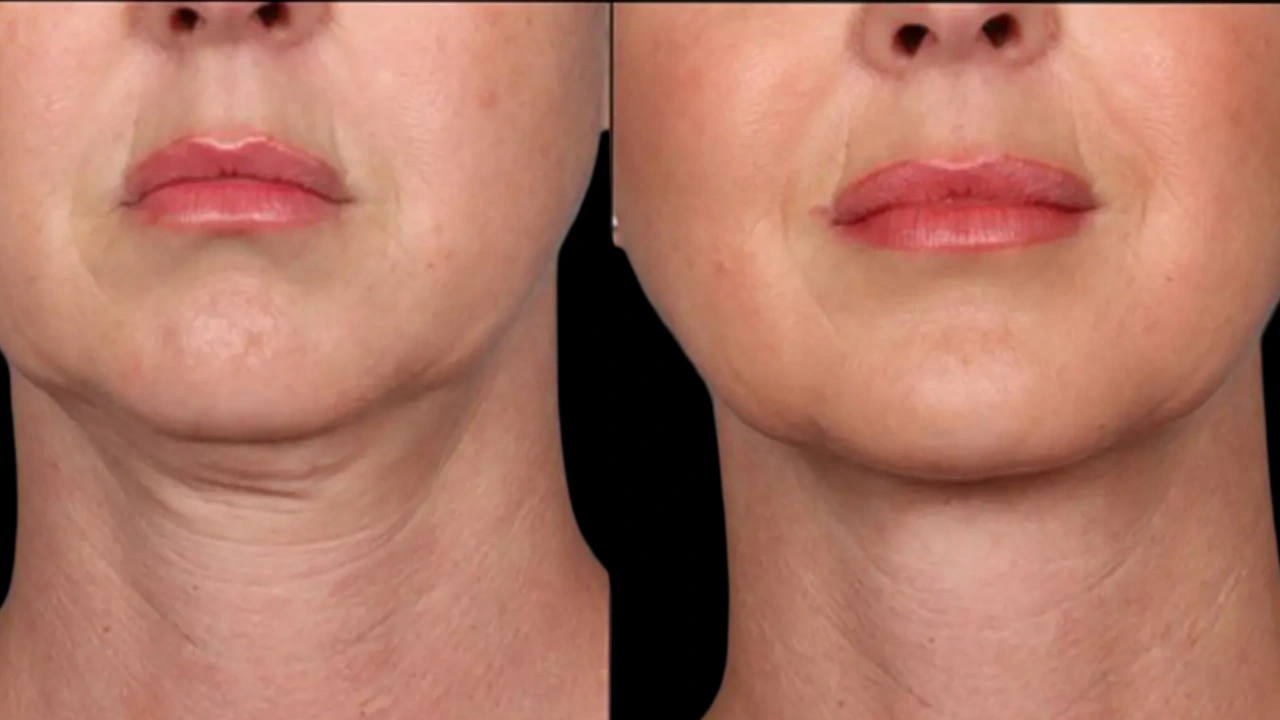
Many people first notice chin dimpling during casual conversations because expressions often highlight subtle texture changes. This topic becomes relatable when someone describes how their chin tightens during stress or focus. According to our editor’s research, people usually become aware of this pattern once photos reveal uneven areas. Cosmetic professionals explain that repetitive muscle tension often creates these tiny pits over time. The idea of using Botox becomes meaningful when these patterns begin disrupting overall facial balance.
Why do chin dimples form?
Chin dimples often develop due to repeated tension within the mentalis muscle, which controls lower facial movement. Many individuals describe a pulling sensation under the skin, especially when concentrating or feeling anxious. According to our editor’s reviews, muscle overactivity gradually shapes the familiar uneven texture. Environmental factors like dehydration or cold air may also make the surface appear rougher. Specialists emphasize that this condition is rarely harmful but often aesthetically noticeable. People often feel surprised by how quickly small movements create visible change.
How does orange peel texture appear?
Orange peel texture appears when the skin contracts repeatedly against the underlying muscle fibers. Many readers explain noticing this effect most clearly under bright daylight. According to our editor’s observations, tension around the chin increases when people clench their jaws. This ongoing force creates tiny depressions mimicking citrus peel characteristics. The texture becomes more pronounced when smiling or tightening the lips. Cosmetic experts note that this pattern forms gradually but becomes persistent once set.
Why do expressions influence chin texture?
Expressions activate the mentalis muscle more strongly than many people realize. Simple habits like pursing lips or tightening the chin while thinking intensify the movement. According to our editor’s research, individuals who grind their teeth often show more pronounced texture changes. Facial tension spreads across the lower jaw, reinforcing repetitive movement patterns. These patterns build daily without conscious awareness. When expressions consistently distort the chin surface, Botox consideration becomes more relevant.
When should you consider Botox?
Timing depends on how frequently the dimpling appears during normal expressions. Many individuals describe noticing the texture even in relaxed states. According to our editor’s reviews, this is often the point when cosmetic intervention becomes reasonable. Specialists suggest considering Botox when dimples remain visible even without strong expression. People usually seek treatment once texture impacts their self-confidence. Consistent appearance offers a clear signal that muscle relaxation may provide smoother results.
What changes before treatment becomes necessary?
Before seeking treatment, people often adjust their expressions unconsciously to hide texture. They may avoid smiling widely or tighten their chin less often. According to our editor’s research, this behavioral change demonstrates growing awareness of the issue. Friends sometimes comment on facial tension, further highlighting the pattern. Small makeup adjustments become common as people attempt to blur the texture. These compensations often indicate the right moment to explore Botox options.
How does Botox work for chin dimples?
Botox softens muscle contractions by relaxing the underlying fibers responsible for dimpling. This relaxation smooths the outer skin gradually over several days. According to our editor’s reviews, individuals often notice improvement within the first week. Professionals explain that the treatment does not affect general movement significantly. Instead, it reduces unnecessary tension that creates the uneven surface. Many users describe feeling more comfortable during expressive moments after treatment.
Why do some people benefit earlier than others?
People with stronger mentalis muscles often see texture changes earlier in life. According to our editor’s research, habitual clenching plays a significant role. Genetics also influence how quickly the skin forms depressions across the chin. Hydration levels and skincare habits support overall smoothness but cannot fully counteract muscle force. Individuals who engage in stressful routines may activate their chin muscles more frequently. These factors combined determine when Botox becomes a practical option.
How do professionals assess chin texture?
Cosmetic practitioners evaluate the chin during rest and expression. They observe how the muscle behaves when the patient moves their lips or smiles. According to our editor’s reviews, careful assessment ensures precise dosage planning. Professionals check how deeply the dimples sit and whether nearby muscles contribute. They also examine skin thickness, which influences the final result. This approach helps create natural outcomes rather than overly softened effects.
What improvements can people expect?
Most individuals experience smoother texture and fewer visible pits after treatment. According to our editor’s observations, the change feels more natural than dramatic. Chin movement remains functional while unnecessary tension decreases. People often describe a more relaxed lower face during daily activities. Smiling feels more comfortable because the muscle no longer tightens sharply. These improvements contribute to balanced facial harmony.
Why does timing influence effectiveness?
Early treatment prevents the texture from deepening over time. According to our editor’s research, prolonged muscle tension creates more noticeable surface depressions. Treating the issue sooner allows smoother results because the skin remains more flexible. Individuals who wait too long may need several sessions for optimal improvement. Timing ensures that the treatment works with the skin rather than against established patterns. Many professionals emphasize this factor when guiding new patients.
How long does the effect last?
Most people enjoy results for three to four months. According to our editor’s reviews, some maintain smoother texture for longer intervals. Lifestyle habits influence duration because repeated tension may return gradually. Professionals often recommend spacing treatments evenly to maintain natural movement. People usually feel more confident once they understand this predictable timeline. Consistent care supports long-lasting harmony across facial expressions.
What happens if you stop treatment?
Texture gradually returns as the muscle regains full strength. Many individuals describe a slow reappearance of tiny pits. According to our editor’s observations, this progression feels gradual rather than sudden. Stopping treatment does not worsen the condition but simply restores original patterns. People often resume treatment when familiar texture becomes noticeable again. The choice remains flexible based on comfort and preference.
Why do people seek smoother chin texture?
A smoother chin creates a more balanced lower facial appearance. According to our editor’s research, many individuals feel texture draws attention during conversations. Softening the area helps them feel more confident in photos and social settings. People often appreciate subtle enhancements that preserve natural expression. A balanced chin complements the jawline and improves overall symmetry. These emotional benefits contribute to growing interest in treatment.
How does the procedure feel during application?
The treatment typically feels quick and manageable. According to our editor’s reviews, individuals describe mild pressure but not prolonged discomfort. Professionals use small needles to target specific muscle areas. The process usually finishes within minutes. Most people return to daily routines without difficulty. This convenience makes Botox appealing for subtle texture concerns.
Why do experts emphasize natural results?
Natural results ensure expressions remain authentic. According to our editor’s research, people often fear overly tight or frozen appearances. Professionals focus on balancing relaxation with movement. They adjust dosage to match muscle strength and facial structure. Natural outcomes build trust and encourage long-term treatment plans. People value subtle improvements over dramatic alterations.
How should you prepare for treatment?
Preparation involves minimal steps but requires awareness. According to our editor’s reviews, many practitioners suggest avoiding intense exercise beforehand. Hydration supports comfortable application. People often feel more at ease when understanding the process clearly. Discussing previous treatments helps professionals plan dosage accurately. Preparation strengthens confidence during the session.
What should you expect afterward?
Mild sensitivity sometimes appears for a short period. According to our editor’s research, results develop gradually. People often observe initial smoothing within days. Avoiding pressure on the treated area supports even distribution. Normal routines remain unaffected for most individuals. Steady improvement builds over the first week.
Why is professional guidance important?
Professional evaluation ensures safe and balanced results. According to our editor’s reviews, precise placement determines overall smoothness. Specialists choose techniques that support natural facial expression. Their experience prevents unnecessary dosage or misplacement. Guidance provides reassurance throughout the process. Many individuals prefer expert insight before beginning treatment.